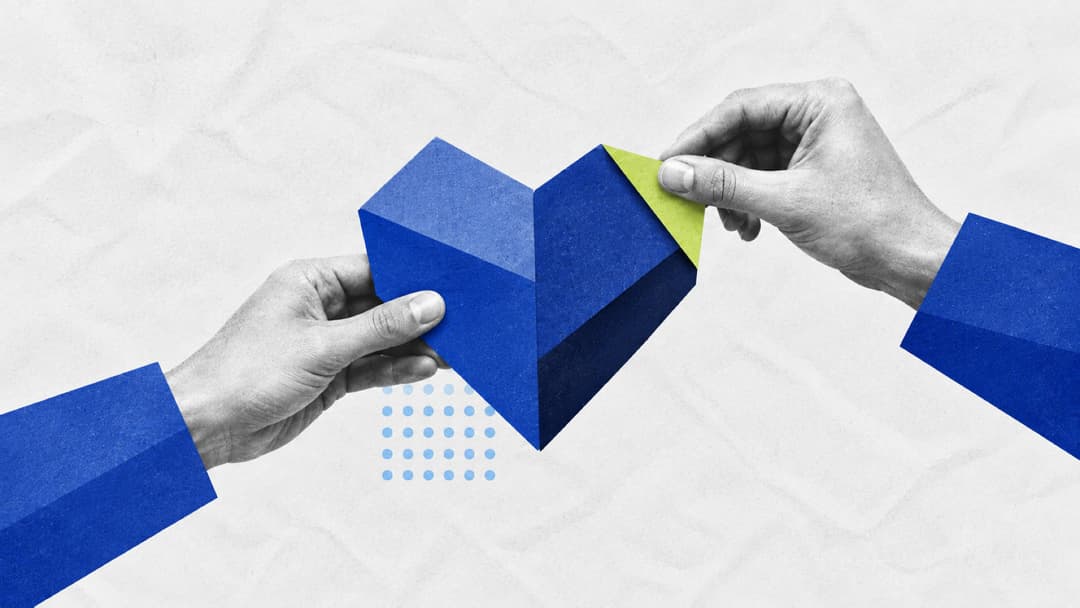
What good incentive design looks like is not how it looks.
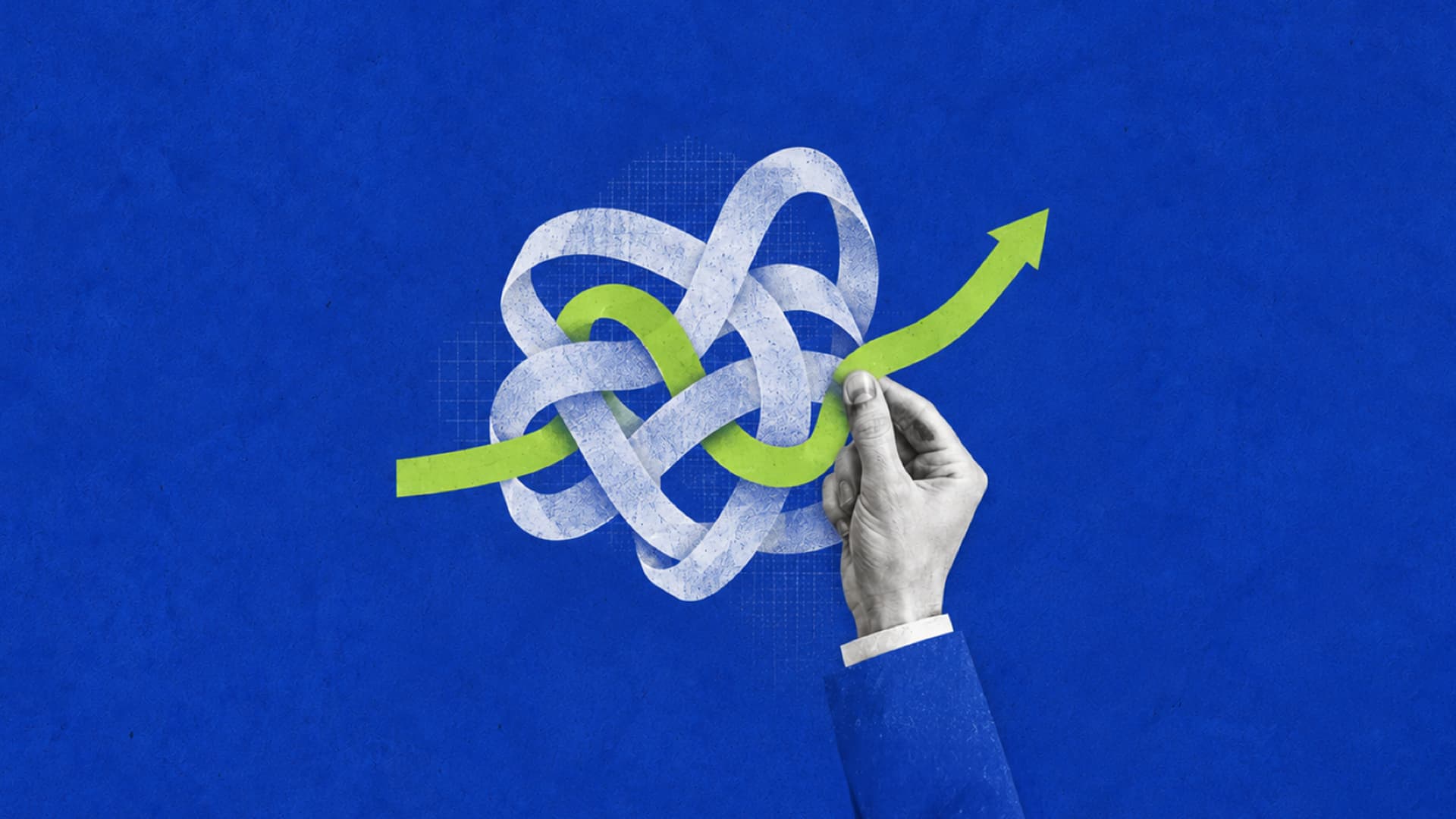
Incentive program design is about what happens between a business need and the result, and the skill to navigate it.
When people hear the word design, most think of appearance. Their minds go to something graphic or visual. A logo, a website, perhaps a household product. They may think of its colours, shape or form, that which is eye-catching.
But as Steve Jobs famously observed, design is not just how something looks. It’s how it works.
Consider a car. Every vehicle begins as an idea. Build an electric family car. An SUV that drives like a sedan. A crossover that’s equally at home in the city and on gravel roads. From there, years of work follow. Engineers develop the drivetrain. Designers shape the cabin around the driver. Safety specialists refine crash structures. Software, suspension, aerodynamics, ergonomics, manufacturing, materials, efficiency, cost … all of these need to be considered. And they don’t work in isolation. Every decision influences several others. A change to the battery affects weight. Weight affects handling. Handling affects suspension. Suspension influences ride comfort. By the time the finished vehicle reaches the showroom, the original idea has been transformed by thousands of interconnected design decisions.
The point is how much happens between the need or idea (let’s build a city car with off-road capability) and its realisation (the car on the showroom floor).
The same is true of incentive programs.
Organisations often begin with a simple ambition. “We need to improve employee engagement.” “We need to increase channel sales.” “We want to build stronger customer loyalty.” These are good ideas. But ideas alone don’t change behaviour or get results.
Between the need, idea or ambition, and the eventual business outcome, lies what can be messy territory where programs are truly designed and implemented.
What happens between the idea and outcome?
This is where the difficult questions are asked. What problem are we really trying to solve? Who exactly are we trying to influence? What motivates them? What specific behaviour needs to change? What kinds of rewards will reinforce the desired behaviours? How will we know if the program is succeeding? How, and how often, should we communicate? What should participation look like? What happens if participation declines after three months? How will the program adapt if business priorities change? These aren’t implementation details that can be worked out later. They are the program.
One of the biggest misconceptions about program design is that it follows a neat sequence. Set the objectives. Build the mechanics. Communicate the launch. Deliver the rewards. Measure the results.
Reality is much less orderly. Programs are more like interconnected, living systems than linear assembly lines. Research is essential. It may uncover insights about what motivates people and, consequently, how they’re rewarded. It may uncover organisational misalignment that changes the objectives. Objectives influence reward strategy, but they also shape communications, participant experience and, of course, measurement. Measurement may reveal friction that requires changes to communications, rules or rewards. Every element interacts with several others. Strengthening one part of the program may expose weaknesses somewhere else.
This is why successful programs can’t be designed one piece at a time. All the pieces are necessary. And they need to be considered as a whole.
This is why specialist expertise matters. An architect’s client may have some ideas of the kind of house they want, but every house also needs the unique skills of engineers, electricians, plumbers and painters. And you wouldn’t ask the painter to plumb, or the electrician to engineer. In the same way, an organisation may know it wants to improve performance. It may even know what behaviours it wants to encourage. But designing a program that consistently delivers those outcomes requires expertise in and across multiple disciplines. Research. Behavioural insight. Communication. Technology. Data analytics. Reward strategy. Measurement. Each discipline contributes something different. And none of them can operate in isolation.
When is the design complete?
Okay, so you’ve started with an idea or need, and you’ve gone through the different parts of the messy middle. At what point is the design complete?
Well, that’s a trick question. The correct answer is: never.
There’s another misconception about design: most people assume that it ends with the finished product. The house is built. The car is in the showroom. The program is launched. In reality, with incentive programs, there shouldn’t be a “finished product”. Launch is where the next phase of design begins.
Every program should generate insight. Participants respond in ways that were expected, and ways that were not. Communication channels perform differently. Certain rewards prove more popular than anticipated. Some mechanics encourage exactly the desired behaviours, while others create unintended consequences. These insights should be used to adjust and improve the program. There’s a continuous, circular feedback loop. Learn > adjust > improve > learn > adjust > improve > etcetera, ad infinitum.
There are also external factors that can come into play. New technology emerges. Economic conditions shift. A new generation enters the workforce with different expectations. Customer priorities evolve. Business strategy changes.
A program that remains exactly as it was designed five or ten years ago, or even five or ten months ago, is unlikely to keep delivering its best results. Good design isn’t a stage in a project plan. It‘s an ongoing discipline.
It begins with understanding the challenge, continues through every decision that shapes the participant experience, and carries on long after launch through measurement, refinement and evolution.
When do things get messy?
One of the reasons design can get messy is because most organisations lack either realistic expectations for the journey, or the skills to navigate all parts of it.
The risk, then, is that they set off with great enthusiasm, and possibly build up some momentum, but then at some point come unstuck, realising there are things they’ve overlooked or superficially brushed over. That’s when things get messy, because they either need to brake or backtrack, usually at great financial and time cost.
The potential for messiness in incentive program design lies the countless dependencies and decisions that determine how it works. This is where ideas turn into actions and strategies become systems. It’s where you set yourself up for failure or success.
It is also the part of a program that is easiest to underestimate because, when it has been done well, it is largely invisible. We tend to notice great results – higher engagement, stronger sales, more loyal customers, better business performance – but we rarely notice everything that made those results possible. Yet that is where the real work happens. And in the end, that is what design is about.
In this issue of the Loyalty Lighthouse, we look at how good design (or lack of it) makes (or breaks) a program.
We examine why good intentions alone don’t make for good employee engagement.
We discuss the many small and often unseen decisions that can take a channel incentive program from acceptable to exceptional.
We look to a 1980s sitcom to remind ourselves of the very human basics of customer loyalty and how those principles can apply at scale.
And, when it comes to rewards, we break down the differences between designing for convenience, choice and connection.
Enjoy.
Get our eGuide: How to design an incentive program.
This 7-part series covers the major parts of program design in short, accessible issues. Get Issue 1 now.


Are you designing rewards for convenience, choice, or connection?

What a 1980s sitcom can teach us about loyalty.

Incentives work. Better-designed incentives work better.